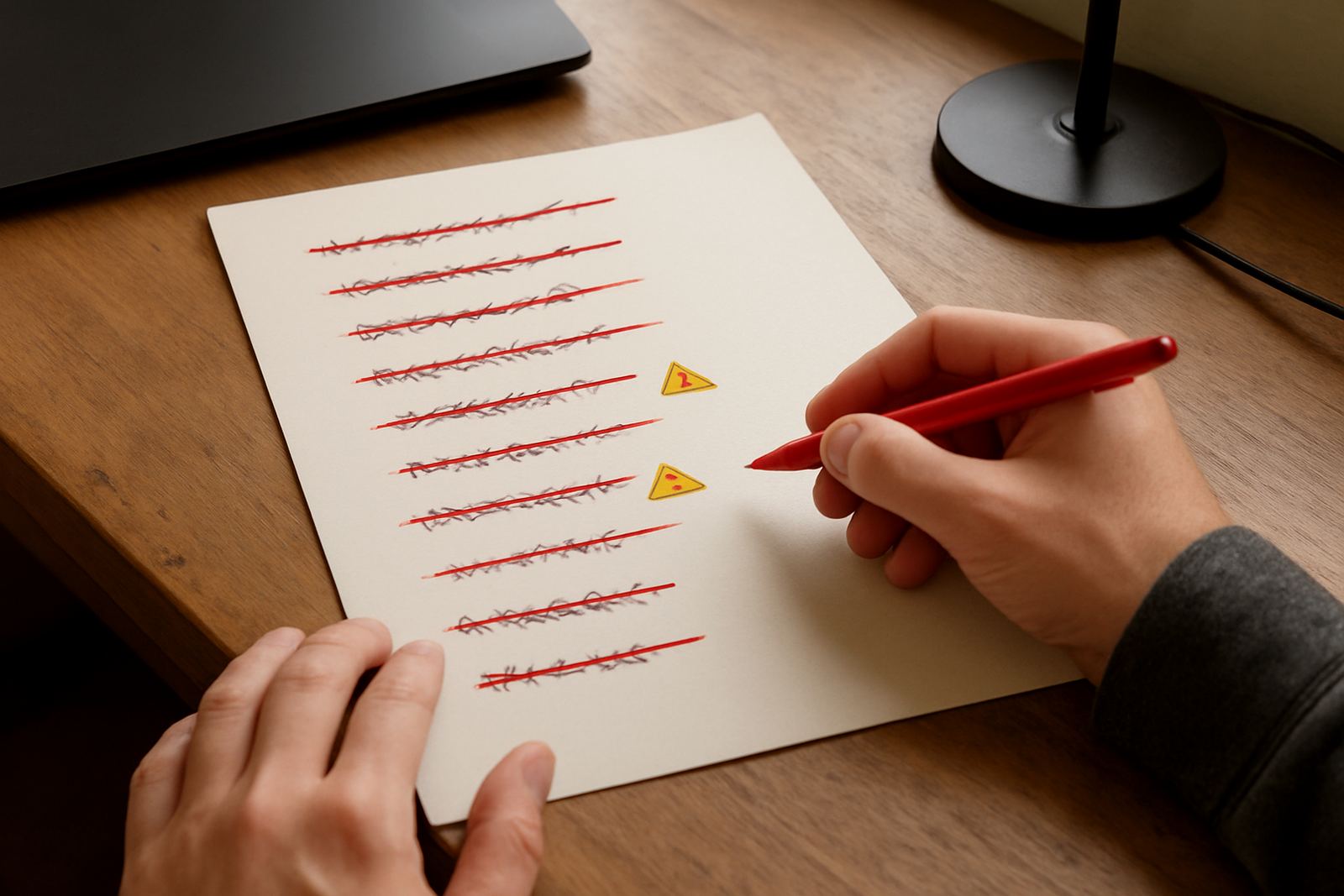
A good name can still be a bad purchase
People often focus on the name alone and forget what comes with it. A domain that once had traffic, backlinks or a clean-looking history can still be a poor fit if it was used for spam, fake listings, betting, adult content or other activity that hurts trust. That kind of past can make email delivery harder and can also put your own brand under pressure from the first day.
If you are buying for a business in Cape Town, Bellville or Somerset West, you need more than a neat web address. You need a name that will hold up in invoices, email, advertising and search. If the history is messy, walk away and keep looking. There are usually other options in the release window or later in the cycle.
When the legal side is unclear
Some expiring domains are tied to names, marks or phrases that already belong to someone else. That can create trouble even if the address is technically available. A side hustle in Claremont may think it has found the perfect local name, only to discover it overlaps with a registered trade mark, a long-standing trading name or a protected product term. That is a fight you do not want.
Before you buy, check whether the name could confuse customers or suggest a connection to another business. If a domain is close to a known mark, or if it could cause disputes in email, social handles or printed material, it is safer to pass. Acquisition cost is one thing, legal cost is another and it can be far higher.
- Check for trade mark overlap in South Africa and key export markets if relevant.
- Avoid names that are one letter off a well-known business.
- Be cautious if the name is a generic term followed by a protected category or product name.
Traffic is not always valuable traffic
Numbers can mislead. A domain may show old visits, but those visits could come from bots, expired ads or random clicks from a different country. If the previous use had nothing to do with your market, the traffic will not help much. A Durban supplier buying a domain because it once drew visitors from Europe is not gaining much if the audience never converts in South Africa.
Look at what the visits were for, not just how many there were. If the old site had a high bounce rate, poor relevance or links from low-quality pages, the traffic may be worthless. The same applies to keyword value. A term can sound strong but have little actual search demand, or demand in the wrong language or province. That is not a bargain, it is a detour.
- Check whether the traffic came from your target area and audience.
- Ask if the old site had content that still matches your offer.
- Ignore vanity metrics if there is no clear path to sales or leads.
Why some names fail the practical test
Even if a domain is clean and legal, it may still be awkward to use. Long names are hard to spell over the phone. Hyphenated names get missed in email. Names with repeated letters or uncommon words create mistakes on invoices and WhatsApp messages. In South Africa where many businesses still work across phone, email and PDF quote documents, that matters a lot.
A Paarl contractor once tried to secure a clever name with two hyphens and an unusual spelling. The name looked fine in a bid document, but clients kept sending emails to the wrong address. The business lost follow-up enquiries and spent money correcting the confusion. Sometimes the cheapest domain is the one that makes the fewest errors.
Practical fit matters more than style. If people have to explain the name three times, or if they cannot remember it after hearing it once, keep searching.
When the release window is too risky
Some expiring names are worth targeting, but not every release window is worth the stress. A domain with multiple strong buyers can attract fast backorders and heavy competition. If the price climbs far above your budget, the better decision may be to stop. Chasing a name just because others want it can leave you overpaying for something that does not improve your business.
This is especially true for smaller businesses in Stellenbosch or the Helderberg area that need to watch cash flow carefully. If you are choosing between a domain and stock, staff hours or local advertising, the domain should earn its place. Waiting for a later opportunity is often wiser than stretching too far for one release.
- Set a ceiling before the drop starts.
- Decide what the name is worth to your business, not to the market crowd.
- Leave room for transfer fees, renewal and any recovery work.
A simple local filter before you commit
Good buying starts with a short check list. Ask whether the name is easy to say, easy to spell and easy to defend. Then check whether it suits your geography, sector and growth plans. A name that works for a Claremont consultant may not suit a Paarl wholesaler or a Bellville repair service. Context matters more than a nice sound.
Also think about email use, because that is where many problems show up first. If the domain is likely to be confused with another one, your quotations and invoices can end up in the wrong inbox. In a market where customers expect quick replies, even one missed message can be costly. A careful decision now can save you a lot of cleanup later.
So the right question is not just, should I buy this expiring domain. It is, will this name still help me six months from now, when the renewal comes due and the real work begins. If the answer is uncertain, let it go.